
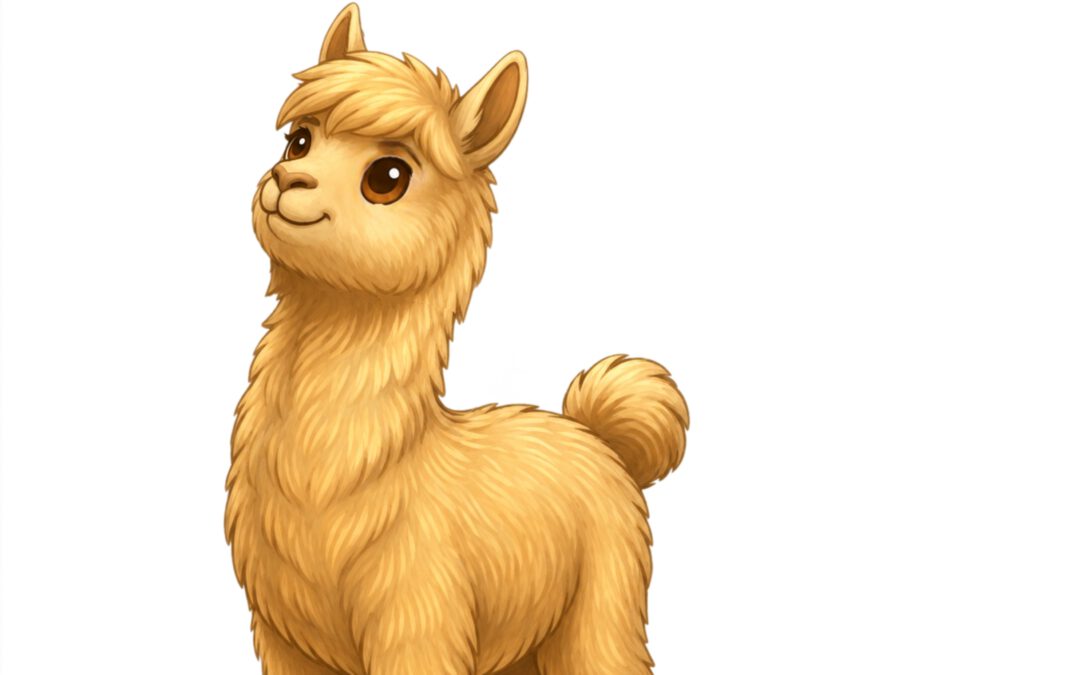
Team Wundervlies: Three alpacas who could hardly be more different

Team Wundervlies: Three alpacas who could hardly be more different

Some teams do not come together because everyone is the same. They come together because everyone is very different. With Team Wundervlies, that is pretty clear: Romeo would often be quite happy if everything stayed calm and cosy. Samurai first checks carefully whether everything is safe. And Camillo is already stirring things up before anyone even knows whether things needed stirring up in the first place.

That is exactly the mix our children’s book world grows from. Romeo is the calm dreamer. Samurai is watchful, careful and quick in his head. Camillo is lively, overexcited and usually has a head full of fluff. Together, the three of them are not always neat and tidy on their way, but something definitely happens. And that is exactly what good stories need.

Our children’s books are not just about alpacas going on adventures. They are about friendship, courage, trust, imagination and the fact that sometimes you need someone who slows things down, someone who keeps watch and someone who simply runs ahead and shouts: “Come on!”

That is why Team Wundervlies is not a perfect group of heroes. Luckily. Perfect would be boring anyway. The three of them stumble, wonder, maybe argue for a moment, still stick together and discover worlds along the way that would not exist at all without imagination.

And maybe that is the nicest part of it: these stories do not come from some polished fantasy world. They grow from our animals, their real little quirks and that farm feeling we have around us every day.
The e-book

Behind the Scenes: Our First Accessible E-Book

Creating an e-book sounds simple at first — add the text, include the images, and you are done. But as soon as accessibility comes into play, an entirely new chapter begins. Our goal was to offer The Enchanted Farm not only as a beautiful print edition, but also as a fully accessible e-book — open to all readers, with or without disabilities.

What sounded straightforward turned out to be a real challenge. We had to immerse ourselves in HTML structures, EPUB code, and semantically clean formatting — things we had never worked with before. Every paragraph, every image, and every piece of formatting had to be checked, tagged, and in some cases adjusted by hand. Along the way, we ran into strange error messages, invisible control characters, and bits of code that suddenly broke the entire layout.

The alternative text for the illustrations was especially tricky. How do you describe an image in a way that still makes it come alive for someone who cannot see it — without giving away too much, but with enough atmosphere?

Accessibility itself also raised entirely new questions for us. How does navigation work for screen readers? Which information absolutely has to be accessible as text? And how do you make sure the flow of reading remains intact, no matter which device or assistive tool is being used?

Looking back, it was both a technical and a creative journey. With a great deal of patience, countless test runs, and a lot of trial and error, we succeeded in creating a functional, lovingly designed, and accessible e-book — ready for Amazon, libraries, and the many worlds of digital reading.


Grazing Season at Schönenberg Alpakas in Bavaria

The Grazing Season Has Begun Our alpacas are enjoying fresh green grass and warm spring days again At last, the time has come: the grazing season at Schönenberg Alpakas has begun. After the cooler months, our alpacas are now enjoying fresh green grass, warm sunshine and peaceful hours out on the pasture. With curious looks, soft steps and their wonderfully calm nature, our animals are enjoying the new season. For us, this moment is special every year – because when the alpacas are back outside on the meadow, spring feels even more beautiful. For our visitors, this also marks the start of a wonderful time at our alpaca farm. Whether during an alpaca walk, while getting to know our animals or on a special day out in Bavaria – the new season brings many lovely encounters, fluffy moments and unforgettable memories. We are looking forward to a beautiful grazing season with our alpacas and many wonderful guests. Fluffy greetings from the pasture the Schönenberg Alpakas team
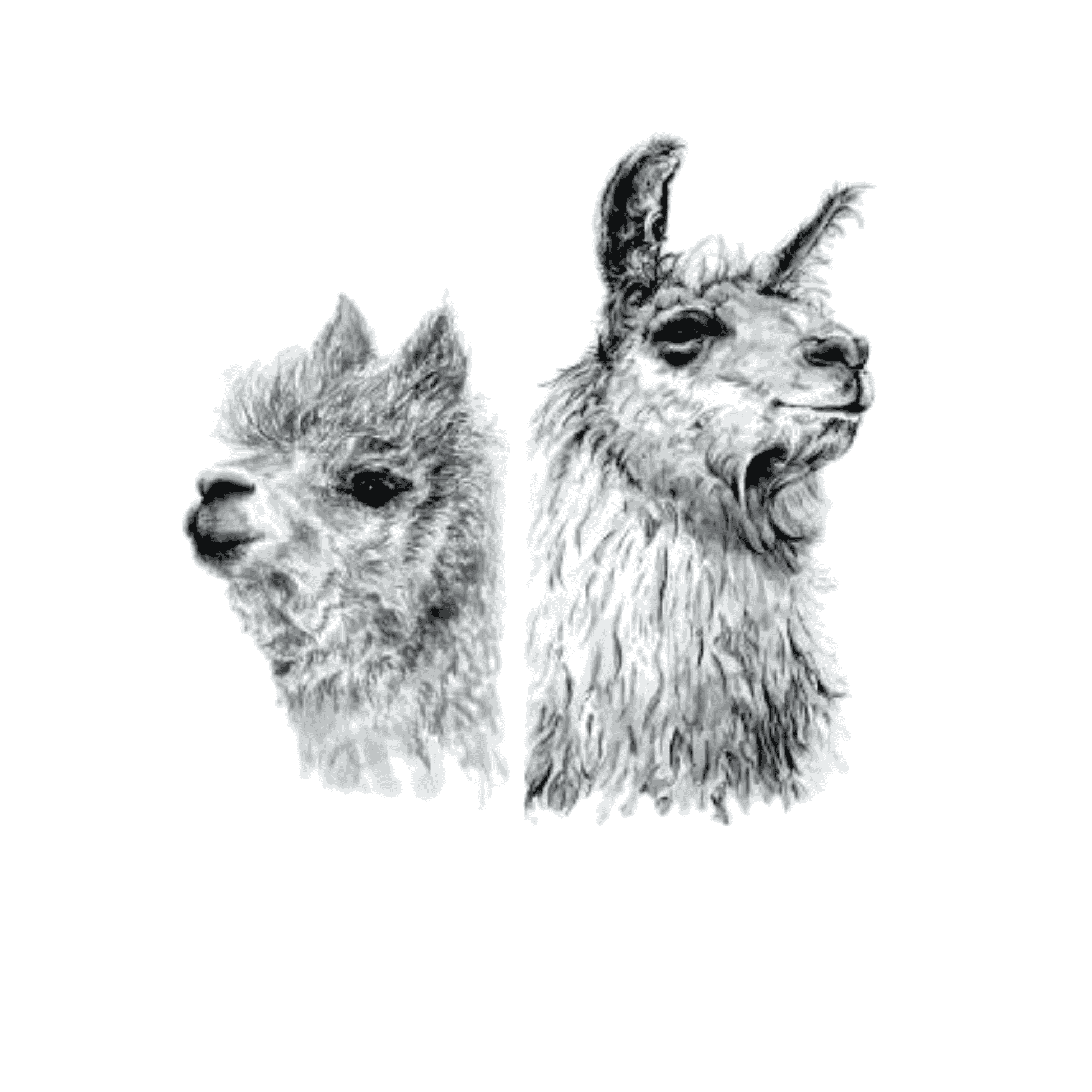
Lama or Alpaca?

Lama or Alpaca?

 The Fleece – Elegant vs. Practical


Alpacas were bred mainly for their fine, soft fleece.


Their coat is almost silky – perfect for spinning and falling in love with.

Llamas are pack animals and often have a coarser fleece, but in return they tend to have that majestic posture that says, “I may be fluffy, but I mean business.”

Ears

And if you ever forget who is bigger or smaller, just think of fruit and llamas.
Because llamas have banana-shaped ears – long and curved inward.
Alpacas have short, straight ears – like two attentive little antennas.

(And is our llama Eras a little offended because his ears keep getting compared to fruit? Understandably. But they really are banana-shaped.)

Big Personalities with Their Own Quirks

Our llamas are more self-assured, calmer, and more graceful.
Our alpacas are busier, make us smile, (and sometimes, to be honest, they also drive us a little crazy – for example when Romeo decides to do exactly the opposite of what we had in mind), and they are just unbelievably cute.

And as always, there are exceptions. You simply have to get to know them.

When people ask us which we like better – llamas or alpacas – the answer is clearly unclear.

Llamas are truly something special, with their proud, calm nature and that unmistakable look.
Alpacas, on the other hand, are wonderfully sweet and gentle, and they make you smile instantly just by being there.

And that is exactly why we cannot choose – and do not want to.
Because every encounter with them is different: sometimes quiet and calming, sometimes curious, warm, and full of little moments that stay with you long after you have gone home. Together, they create what makes our walks so special – a true break from everyday life, surrounded by nature and animals that truly touch the heart.


Romi Fact Nr. 2

Romi Fact Nr. 2

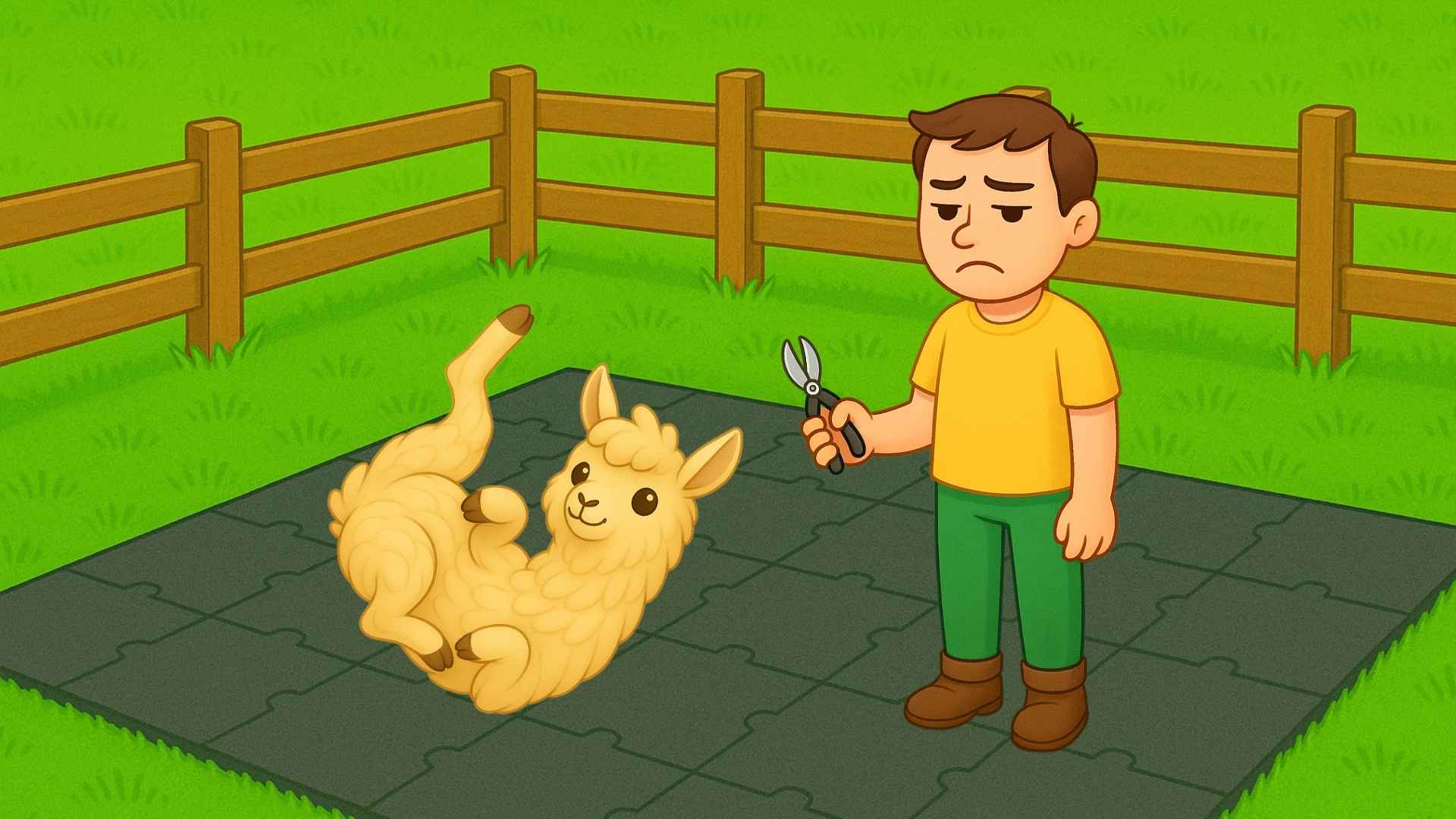
Romeo Fact No. 2: The Alpaca Toenail Trimming Drama

If you know Romeo, you already know his style: fluffy, calm, gentle, and unbelievably cute.
He looks sweet, moves in slow motion, and often seems like he is floating through his own little world.

But when it comes to alpaca nail trimming, Romeo has one very clear opinion: absolutely not.

The problem is simple.
Like other alpacas, Romeo’s toenails need regular trimming as part of proper alpaca care. To do that, he has to stand still and calmly lift one foot after another.

For some alpacas, that works just fine.
For Romeo? Not even close.

It usually starts innocently enough.
We walk up slowly, talk to him in a calm voice, and carefully lift one foot. But the moment Romeo realizes what is happening, he simply drops to the ground.

Not loudly.
Not wildly.
Just with full commitment.

Like a soggy sack of flour.

If that does not work, he has other tricks. He pulls his leg away, leans sideways, twists his body, or presses all his weight straight into the ground. And just when we think we might finally win, Romeo adds one last clear message with a tiny backward kick:

Leave. Me. Alone.

Of course, we explain everything to him every single time.
We offer treats.
We ask nicely.
We stay patient.

But Romeo does not negotiate.

Throughout the entire nail trimming drama, he looks at us with his usual innocent face — calm, relaxed, and completely uncooperative.

And when we finally finish the very last toe, Romeo trots away looking perfectly pleased with himself.

Slowly, of course.

And probably thinking:

I’ve trained you very well.